All You Need to Find Out About the Foreign Earned Revenue Exclusion and Its Connection to the Typical Reduction
The Foreign Earned Revenue Exclusion (FEIE) presents an important chance for united state people and resident aliens functioning abroad to minimize their taxed income. Understanding the eligibility standards and asserting process is essential. The interaction between the FEIE and the conventional deduction can complicate tax strategy. Mistakes in maneuvering these regulations can result in missed out on advantages. Discovering these elements discloses crucial info for effective tax preparation and taking full advantage of economic advantages.
Comprehending the Foreign Earned Income Exemption (FEIE)
The Foreign Earned Earnings Exclusion (FEIE) acts as a vital tax provision for U.S. citizens and resident aliens that function abroad, enabling them to leave out a considerable portion of their foreign-earned income from united state federal tax. This arrangement is important for individuals living outside the United States, as it assists mitigate the monetary burden of dual tax on revenue gained in international nations. By making use of the FEIE, eligible taxpayers can reduce their taxed revenue considerably, advertising economic stability while living and working overseas. The exemption amount is changed annually for inflation, guaranteeing it shows current financial problems. The FEIE is especially beneficial for those in areas with a greater price of living, as it enables them to keep more of their revenues. Comprehending the technicians and implications of the FEIE equips migrants to make informed economic choices and maximize their tax circumstances while residing abroad.
Qualification Demands for the FEIE
To get the Foreign Earned Earnings Exemption, people must fulfill particular eligibility needs that consist of the Residency Examination and the Physical Existence Test. In addition, employment status plays an essential duty in figuring out eligibility for this tax obligation advantage. Comprehending these requirements is necessary for any person looking for to make use of the FEIE.
Residency Test Criteria
Determining eligibility for the Foreign Earned Income Exclusion (FEIE) copyrights on conference specific residency examination requirements. Primarily, individuals must establish their tax obligation home in an international nation and show residency through either the authentic house test or the physical visibility examination. The authentic home examination requires that a taxpayer has developed a copyright in an international country for an undisturbed period that spans an entire tax obligation year. This involves showing intent to make the international area a principal home. Additionally, the taxpayer has to show connections to the international nation, such as protecting family, employment, or real estate links. Fulfilling these residency requirements is crucial for getting approved for the FEIE and effectively minimizing tax obligation obligations on gained earnings abroad.
Physical Presence Test
Meeting the residency requirements can likewise be accomplished with the physical visibility examination, which supplies an alternate path for getting approved for the Foreign Earned Earnings Exclusion (FEIE) To satisfy this examination, an individual must be literally existing in an international nation for a minimum of 330 full days during a consecutive 12-month period. This demand emphasizes the importance of actual physical existence, instead of just maintaining a home abroad. The 330 days do not have to be successive, enabling for versatility in travel plans. This examination is specifically helpful for united state people or locals working overseas, as it enables them to omit a substantial part of their foreign gained revenue from U. FEIE Standard Deduction.S. taxes, therefore decreasing their total tax obligation responsibility
Employment Condition Requirements
Qualification for the Foreign Earned Revenue Exclusion (FEIE) depends upon specific employment status needs that people need to satisfy. To qualify, taxpayers should show that their earnings is derived from international resources, normally through employment or self-employment. They should be either a united state citizen or a resident alien and maintain a tax obligation home in an international country. Furthermore, people have to satisfy either the Physical Presence Test or the Authentic House Test to develop their foreign standing. Freelance people need to report their net earnings, guaranteeing they do not surpass the well-known exclusion limitations. It's important for applicants to keep proper paperwork to validate their cases concerning work status and international revenue throughout the tax obligation year.
Exactly how to Claim the FEIE

Eligibility Demands Explained
For individuals looking for to take advantage of the Foreign Earned Revenue Exclusion (FEIE), recognizing the eligibility requirements is essential. To qualify, one must fulfill 2 primary examinations: the bona fide home test or the physical presence examination. The authentic home test puts on those that have established a permanent house in an international country for a continuous period, normally a year or more. Conversely, the physical visibility test needs people to be literally present in a foreign nation for a minimum of 330 days during a 12-month period. FEIE Standard Deduction. Additionally, just gained income from international resources gets exclusion. Fulfilling these requirements is important for taxpayers wishing to minimize their taxed income while living abroad
Needed Tax Return
Just how can one properly claim the Foreign Earned Revenue Exclusion (FEIE)? To do so, certain tax obligation kinds must be made use of. The primary type called check this site out for is IRS Form 2555, which allows taxpayers to report international earned earnings and declare the exclusion. This type calls for comprehensive information about the person's foreign residency and the income made while living abroad. Additionally, if asserting the exclusion for housing prices, Kind 2555-EZ might be utilized for simpleness, offered specific criteria are met. It is important to ensure that all needed sections of the kinds are completed accurately to prevent hold-ups or concerns with the IRS. Recognizing these types is important for taking full advantage of the benefits of the FEIE.
Filing Refine Steps
Declaring the Foreign Earned Revenue Exclusion (FEIE) entails a collection of clear and well organized steps. Initially, individuals should establish their qualification, validating they satisfy the physical visibility or bona fide residence examinations. Next off, they should complete internal revenue service Kind 2555, outlining earnings gained abroad and any appropriate exclusions. It is necessary to collect sustaining paperwork, such as international tax returns and proof of residence (FEIE Standard Deduction). After filling in the form, taxpayers ought to affix it to their annual tax return, commonly Type 1040. Filing online can streamline this procedure, however guaranteeing precise information is vital. People should maintain copies of all sent types and sustaining files for future referral in situation of audits or inquiries from the Internal revenue service.
The Requirement Deduction: A Summary
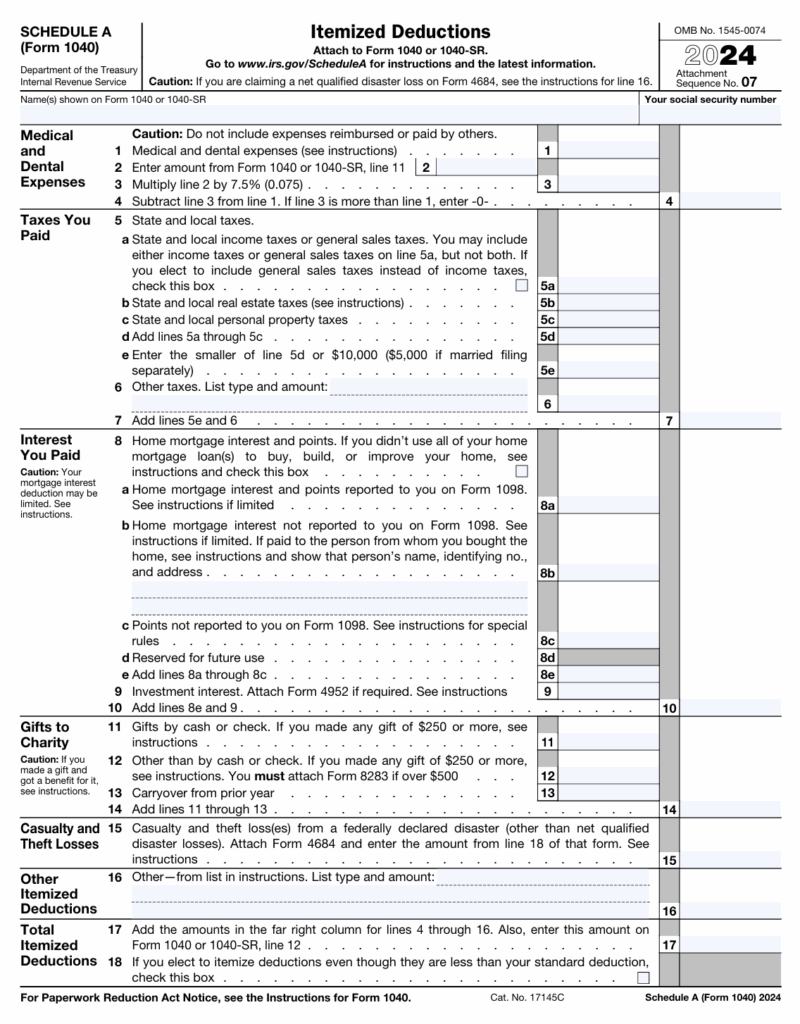
The conventional reduction functions as a crucial tax benefit that streamlines the declaring process for numerous individuals and families. This deduction allows taxpayers to decrease their taxable earnings without the demand to itemize deductions, making it an eye-catching alternative for those with uncomplicated monetary scenarios. For the tax obligation year, the conventional reduction quantity varies based on filing status, with various limits for solitary filers, married pairs submitting jointly, and heads of household.
The basic deduction is changed yearly for inflation, ensuring its relevance in time. Taxpayers who qualify can pick between the conventional deduction and itemizing their reductions, normally choosing the greater benefit. By providing a standard deduction, the conventional deduction supports taxpayers in reducing their general tax obligation liability, consequently enhancing their economic position. Recognizing the standard reduction is essential for effective tax obligation preparation and making best use of potential savings for individuals and family members alike.
Communication In Between FEIE and Common Reduction
While both the Foreign Earned Income Exclusion (FEIE) and the basic reduction offer to reduce gross income, their communication can greatly impact a taxpayer's general tax obligation obligation. Taxpayers who receive the FEIE can leave out a significant amount of their foreign-earned revenue, which might influence their eligibility for the conventional deduction. Specifically, if a taxpayer's foreign earnings is completely omitted under the FEIE, their gross income may drop listed below the limit essential to claim the common deduction.
Nonetheless, it is necessary to note that taxpayers can not double-dip; they can not utilize the exact same income to claim both the FEIE and the basic deduction. When identifying the finest method for tax obligation decrease, this means that cautious factor to consider is needed. Inevitably, recognizing how these 2 arrangements engage makes it possible for taxpayers to make enlightened decisions, ensuring they maximize their tax benefits while remaining compliant with internal revenue service policies.
Tax Obligation Advantages of Using the FEIE
Utilizing the Foreign Earned Earnings Exclusion (FEIE) can offer significant tax advantages for united state citizens and resident aliens living and working abroad. This exclusion permits visit this site eligible people to leave out a particular amount of foreign-earned revenue from their gross income, which can result in significant tax obligation savings. For the tax obligation year 2023, the exemption amount is up to $120,000, markedly lowering the taxable revenue reported to the internal revenue service.

Additionally, the FEIE can help stay clear of double taxation, as foreign taxes paid on this income may additionally be qualified for credit ratings or deductions. By tactically making use of the FEIE, taxpayers can maintain more of their income, enabling improved financial stability. In addition, the FEIE can be advantageous for those that qualify for the bona fide house test or physical existence examination, offering versatility in managing their tax obligations while living overseas. In general, the FEIE is a valuable tool for migrants to maximize their funds.
Typical Blunders to Stay Clear Of With FEIE and Conventional Deduction
What pitfalls should taxpayers know when claiming the Foreign Earned Revenue Exemption (FEIE) alongside the typical deduction? One usual mistake is assuming that both benefits can be claimed all at once. Taxpayers ought to understand that the FEIE should be declared before the standard deduction, as the exemption fundamentally minimizes taxable income. Falling short to meet the residency or physical presence tests can likewise result in ineligibility for the FEIE, causing unexpected tax obligation responsibilities.
In addition, some taxpayers overlook the requirement of correct documentation, such as keeping documents of international revenue and travel days. Another constant error is overestimating the exclusion quantity, possibly because of wrong kinds or misconception of tax obligation regulations. Inevitably, individuals need to keep in mind that declaring the FEIE could impact qualification for sure tax obligation debts, which can complicate their total tax scenario. Awareness of these risks can assist taxpayers browse the intricacies of international taxation more efficiently.
Regularly Asked Concerns
Can I Claim FEIE if I Live Abroad Part-Time?
Yes, an individual can declare the Foreign Earned Income Exemption if they live abroad part-time, supplied they fulfill the needed requirements, such as the physical presence or authentic residence examinations detailed by the IRS.
Does FEIE Affect My State Tax Obligation Obligations?
The Foreign Earned Income Exclusion (FEIE) does not directly impact state tax responsibilities. States have differing policies regarding income gained abroad, so individuals ought to consult their certain state tax guidelines for accurate assistance.
Are There Any Type Of Expiration Dates for FEIE Claims?
Foreign Earned Earnings Exclusion (FEIE) claims do not have expiration dates; nonetheless, they should be asserted annually on tax returns. Failure to insurance claim in a given year might cause lost exclusion benefits for that year.
How Does FEIE Impact My Social Security Advantages?
The Foreign Earned Revenue Exemption (FEIE) does not straight influence Social Security advantages, as these benefits are based on life time incomes. However, omitted revenue might reduce overall revenues, possibly influencing future advantage computations.
Can I Revoke My FEIE Claim After Filing?
Yes, an individual can revoke their Foreign Earned Revenue Exemption insurance claim after filing. This retraction has to be submitted with the proper tax types, and it will impact their tax responsibilities and potential reductions moving on.
The Foreign Earned Earnings Exclusion (FEIE) provides a crucial possibility for United state citizens and resident aliens working abroad to decrease their taxable earnings. Recognizing the Foreign Earned Earnings Exemption (FEIE)
The Foreign Earned Income Exclusion RevenueExemption) serves as offers essential tax important tax obligation Stipulation citizens and people aliens who work thatFunction allowing them to exclude a leave home out portion substantial part foreign-earned income from U.S. federal united stateGovernment While both the Foreign Earned Income Exemption (FEIE) and the basic deduction offer to reduce taxed earnings, their interaction can substantially affect a taxpayer's general tax obligation responsibility. Utilizing the Foreign Earned Earnings Exclusion (FEIE) can supply remarkable tax obligation benefits for United state people and resident aliens living and functioning abroad. Foreign Earned Revenue Exclusion (FEIE) cases do not have expiration days; however, they should be declared annually on tax returns.